



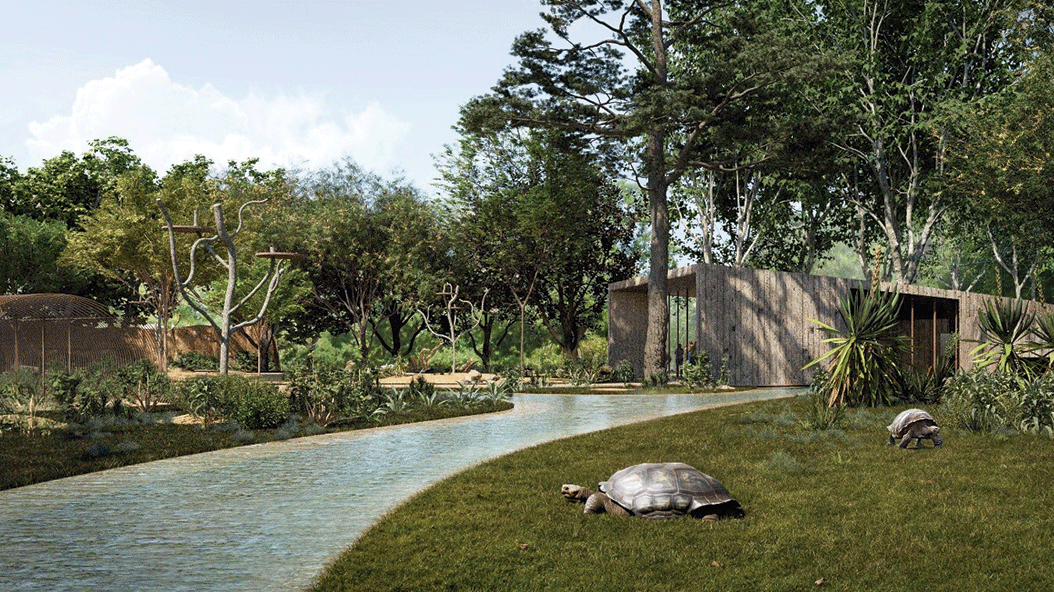
The value proposition of the future Zoo
Zoo de Barcelona is embarking on an important stage of transformation to become a new reference space for the conservation of the planet's biodiversity. Faced with the challenges posed by climate change and the consequent loss of biodiversity, the institution is taking a step forward with new areas and initiatives that enable visitors of all ages to connect with nature through learning, enjoyment and awareness-raising experiences.
The incorporation of immersive spaces that bring visitors into contact with nature, the use of new technologies and a varied programme of activities tailored to different audiences will make a visit to the Zoo de Barcelona a unique experience. With 2030 as the target date, the new project seeks to support new generations in becoming active agents in the defence of biodiversity. By shifting from being spectators to taking an active part in protecting species, they will become champions of our concern for the planet.
In this context, visitors will obtain in-depth information about the most threatened species and habitats, as well as Zoo de Barcelona's leadership in carrying out research and conservation projects through partnerships with the leading scientific centres in the country.
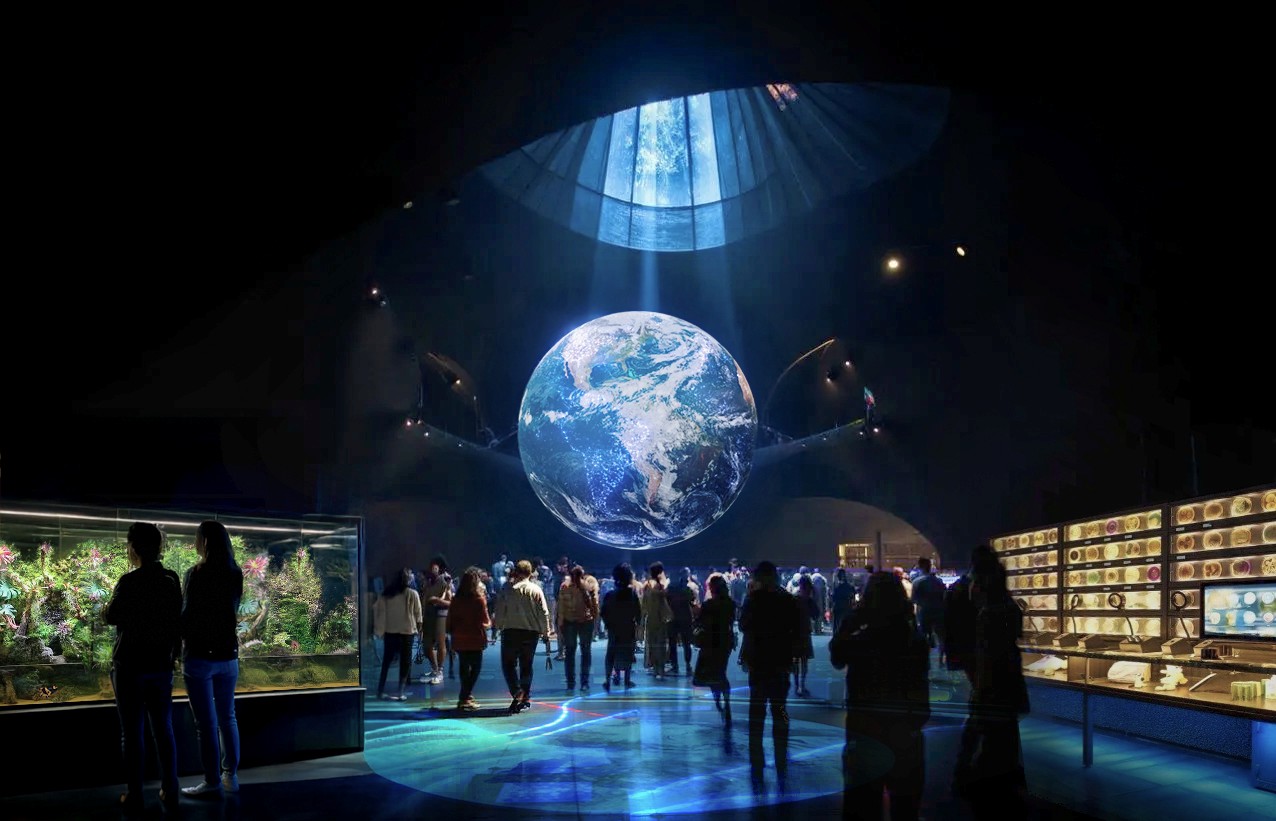
Bioscope, a space for understanding and taking action for biodiversity
One of the initiatives that will soon be launched is the Bioscope, a knowledge centre that will offer a fascinating interactive journey through the origin and evolution of species.
This new and innovative space will offer a one-of-a-kind experience for all ages, with multimedia and exhibition elements where visitors can discover and observe the ecosystems of animals such as fish, reptiles and amphibians. All of them are endangered species that play an important role in the evolution of animal species.
Thanks to the Bioscope, Zoo de Barcelona will consolidate its position as a leading educational centre. This space has also been designed as an essential visit for educational centres and as a valuable complement to current syllabus content.
This new centre, planned for 2030, will consist of a building of approximately 3,000 m2 and an outdoor area totalling 7,200 m2; and will be located in the northern part of Zoo de Barcelona, where Carrer Wellington meets Carrer Pujades.
The Bioscope will also feature distinctive architecture and design, and will involve an investment of €18 million provided by BSM.
This project will be developed through an international architectural competition that BSM, together with Ajuntament de Barcelona, will launch in the coming days.
Aïllats, a space for delving into the uniqueness of island species
As part of this value proposition, Zoo de Barcelona will soon launch the Aïllats [Isolated] project, an immersive and interactive experience where visitors will delve into the world of islands, considered authentic natural laboratories of evolution.
Aïllats will offer visitors an insight into the uniqueness of island ecosystems, while also highlighting conservation and reintroduction projects underway at Zoo de Barcelona, such as those involving the Majorcan midwife toad and the Ibiza wall lizard.
Descobrint la Mediterània: a walk through Mediterranean habitats
And the third project that Zoo de Barcelona has begun working on is Descobrint la Mediterrània, a large area that will allow visitors to immerse themselves in a Mediterranean landscape and discover its exuberant and important biodiversity.
At Descobrint la Mediterrània, visitors will be able to learn about environmental problems and biodiversity loss in the Mediterranean deltas, as well as observe emblematic Mediterranean species that are currently threatened and for which Zoo de Barcelona has active preservation projects.
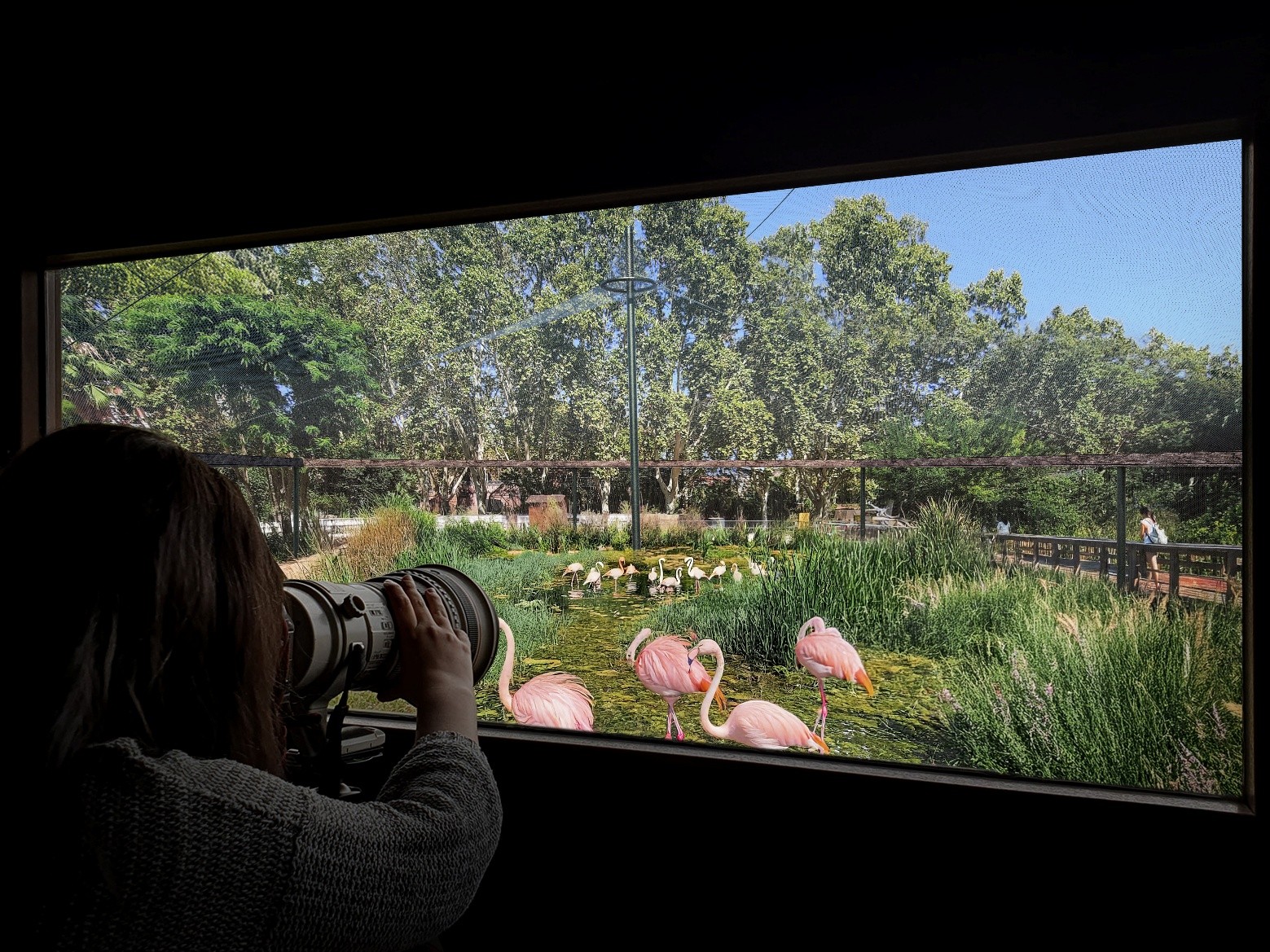
A space dedicated to the preservation of biodiversity and to wellbeing through contact with nature
Spanning 13 hectares, Zoo de Barcelona is the largest facility in the Ciutadella del Coneixement, the project that will turn Parc de la Ciutadella and its surroundings into a leading hub for knowledge, outreach, research and innovation in Europe.
Thanks to the construction of the new access to the park on Carrer de Wellington, Zoo de Barcelona will be physically integrated into this knowledge hub. This access, planned for 2027, will link the Born and Ribera neighbourhoods with Vila Olímpica and will open Zoo de Barcelona more fully to city life, enhancing its visibility and transforming it into a meeting point and place for connecting with nature.